The Psychology of Space:
How Interior Design Shapes Mood and Behavior
Interior design isn’t just about aesthetics — it’s about how spaces make us feel. The psychology of space focuses on how design elements like color, lighting, and layout influence emotions, productivity, and well-being. At Aywa Home, we believe every design decision should support the way people live, think, and feel.
Color Psychology
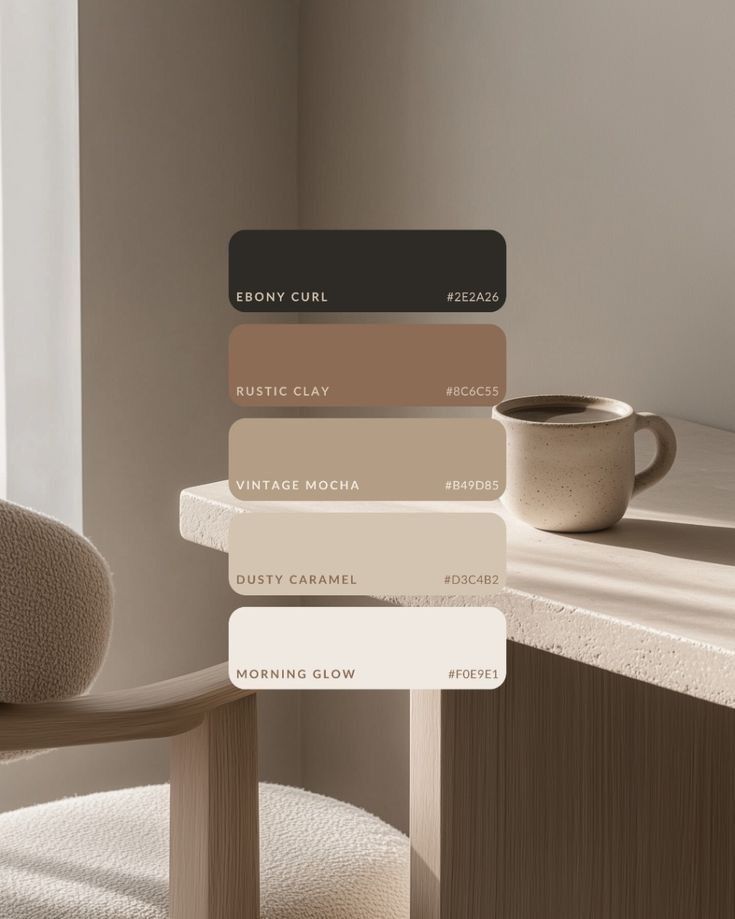
Colors have a direct impact on mood. Warm tones like reds and oranges evoke energy and warmth, while cool tones like blues and greens promote calm and focus. Neutral tones can create a sense of balance, while bold hues add personality. At Aywa Home, we guide clients to choose colors that support the purpose of each space — whether it’s relaxation in the bedroom or creativity in a home office.
Light and Shadow
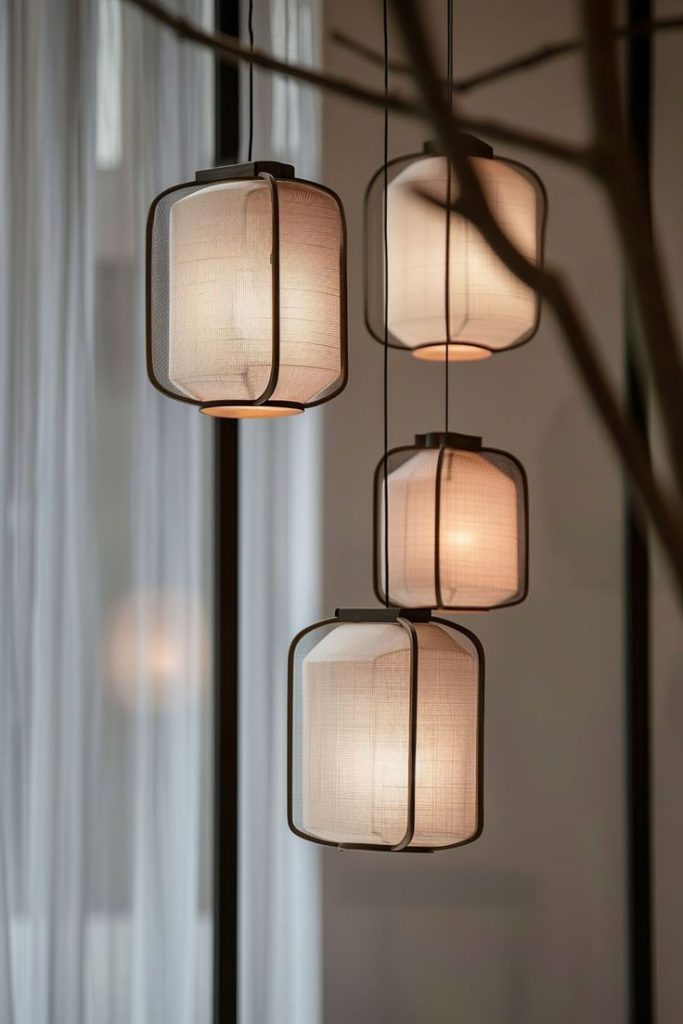
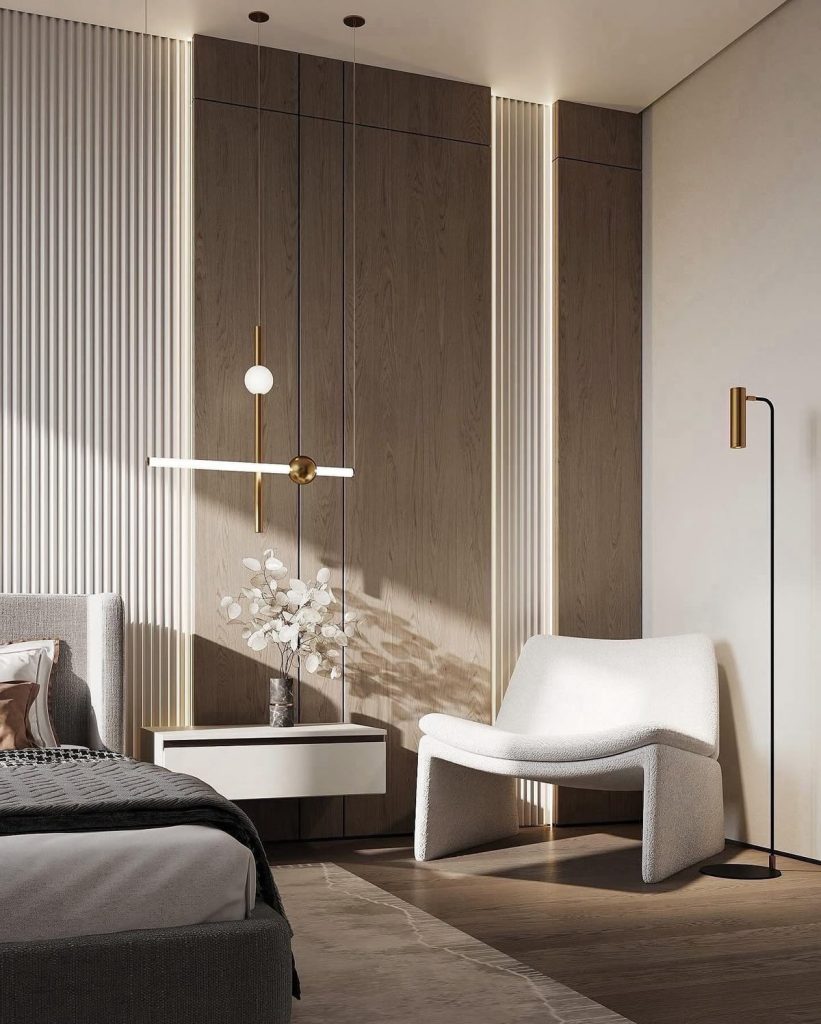
Natural light regulates our internal clocks and improves mood. Layering ambient, task, and accent lighting adds depth and functionality. Too little light can cause fatigue, while overly harsh lighting can create discomfort. We design lighting plans that adapt to each client’s routines, balancing daylight with artificial lighting.
Layout and Flow
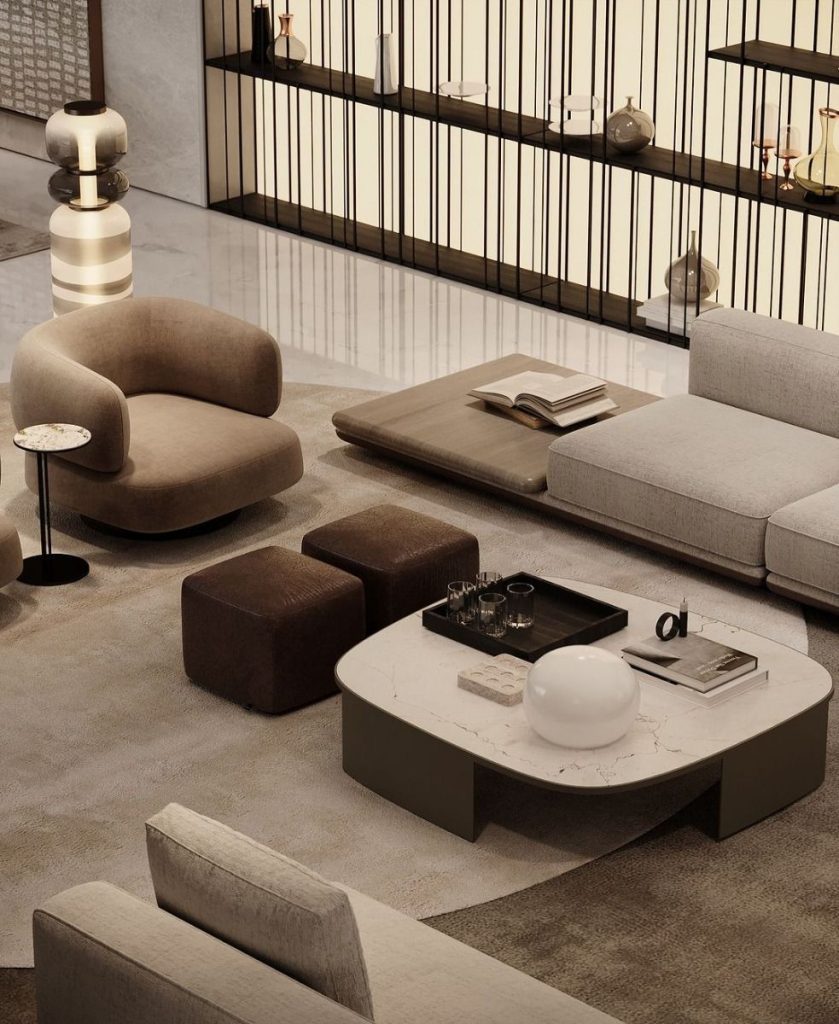
Open layouts foster connection, while more enclosed layouts support privacy and focus. Zoning areas through furniture, rugs, or lighting helps define function and improve flow. Our design team ensures that movement through a space feels intuitive and comfortable
Texture and Materials
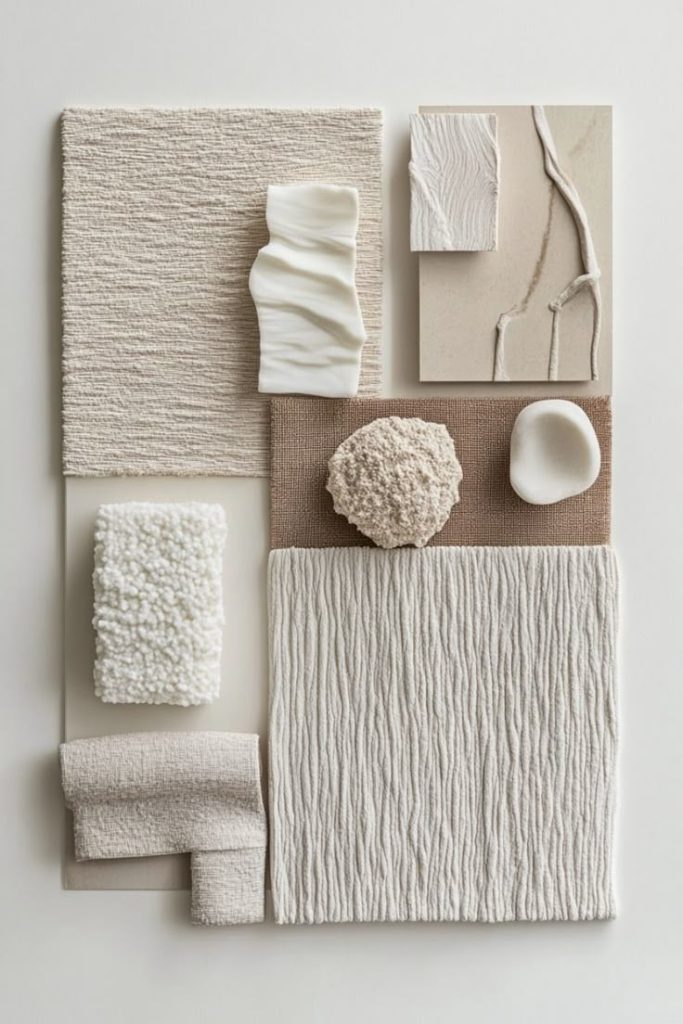
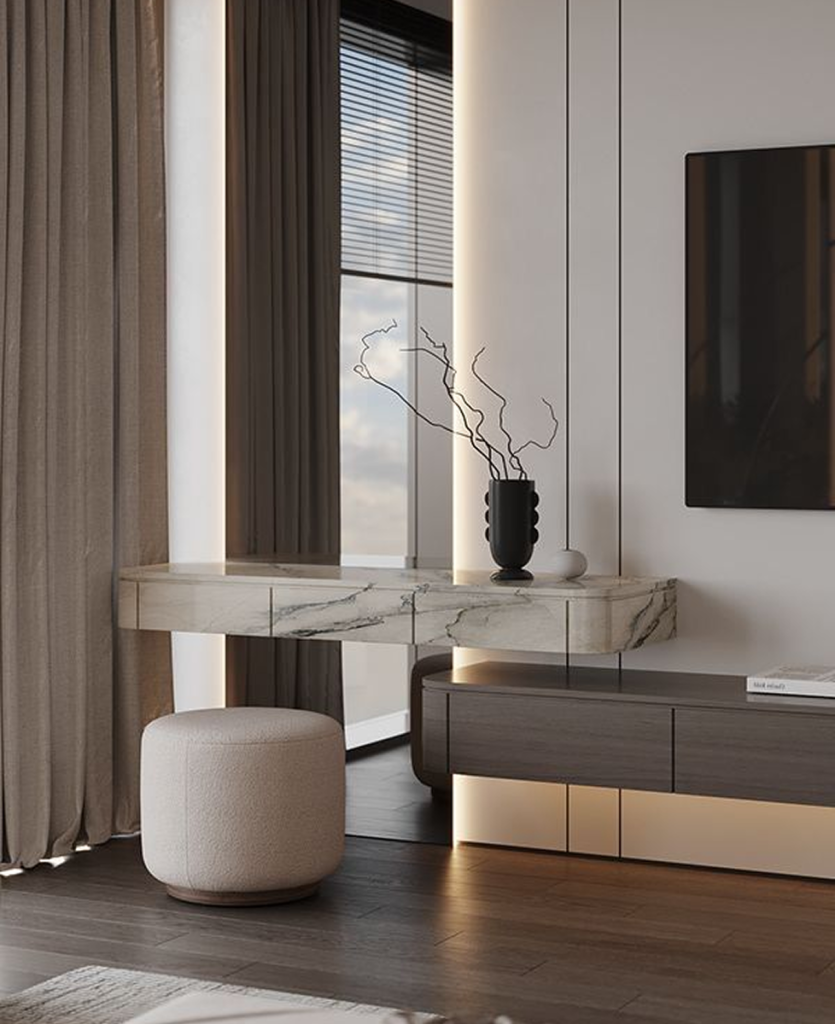
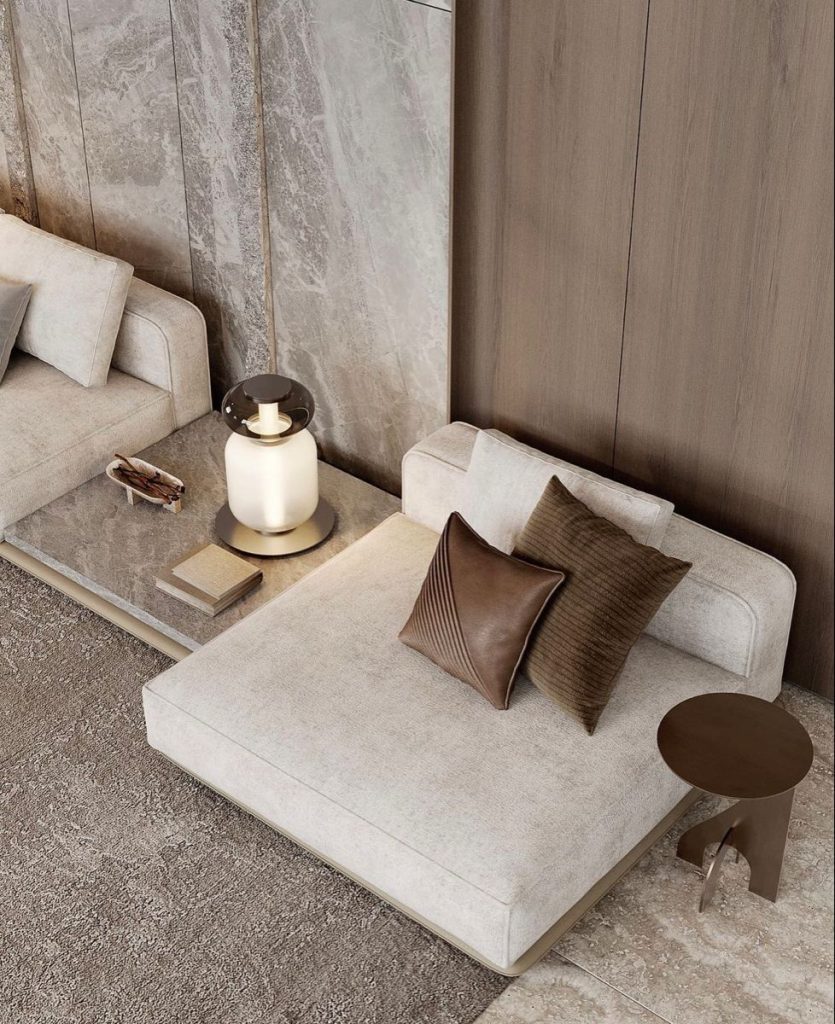
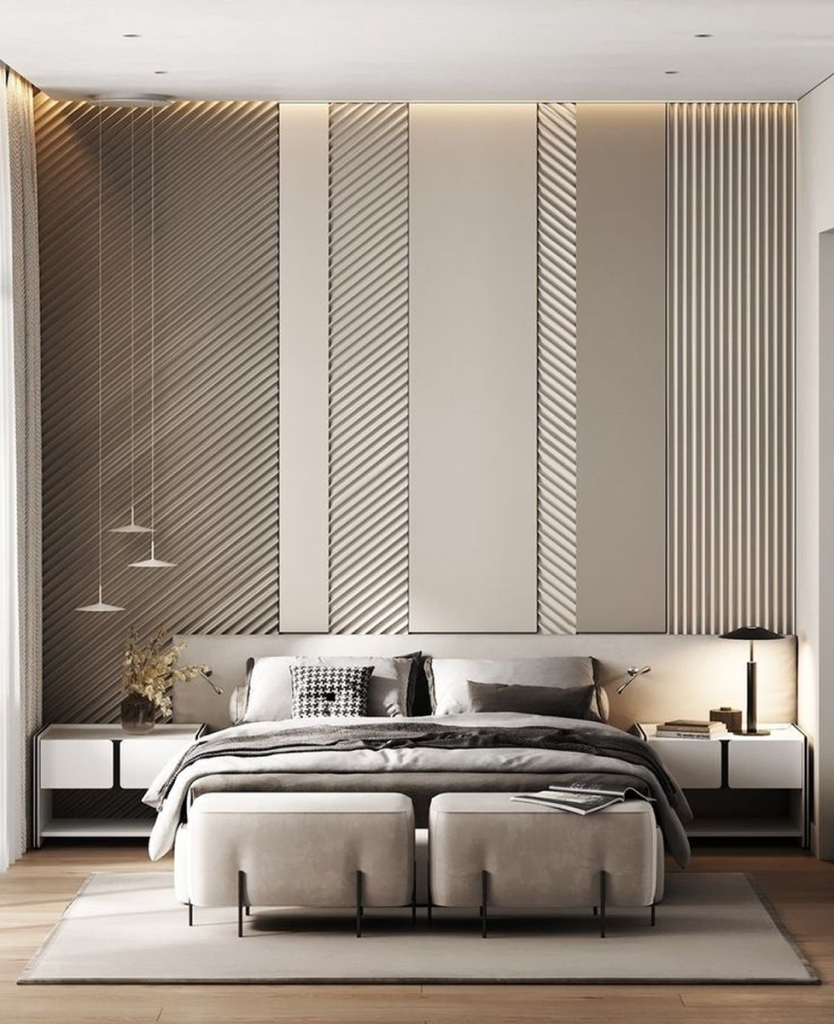
Textures affect our senses. Soft materials can create a cozy, inviting environment, while sleek, hard surfaces offer a clean, minimalist vibe. Natural elements like wood, stone, and plants ground the space and provide a psychological link to nature — something especially important in fast-paced urban life.
Samples
Interior design is more than visual impact — it’s emotional experience. At Aywa Home, we design with the psychology of space in mind, helping clients create environments that feel as good as they look.